Home / Seed Starting
The gear
Seed Starting
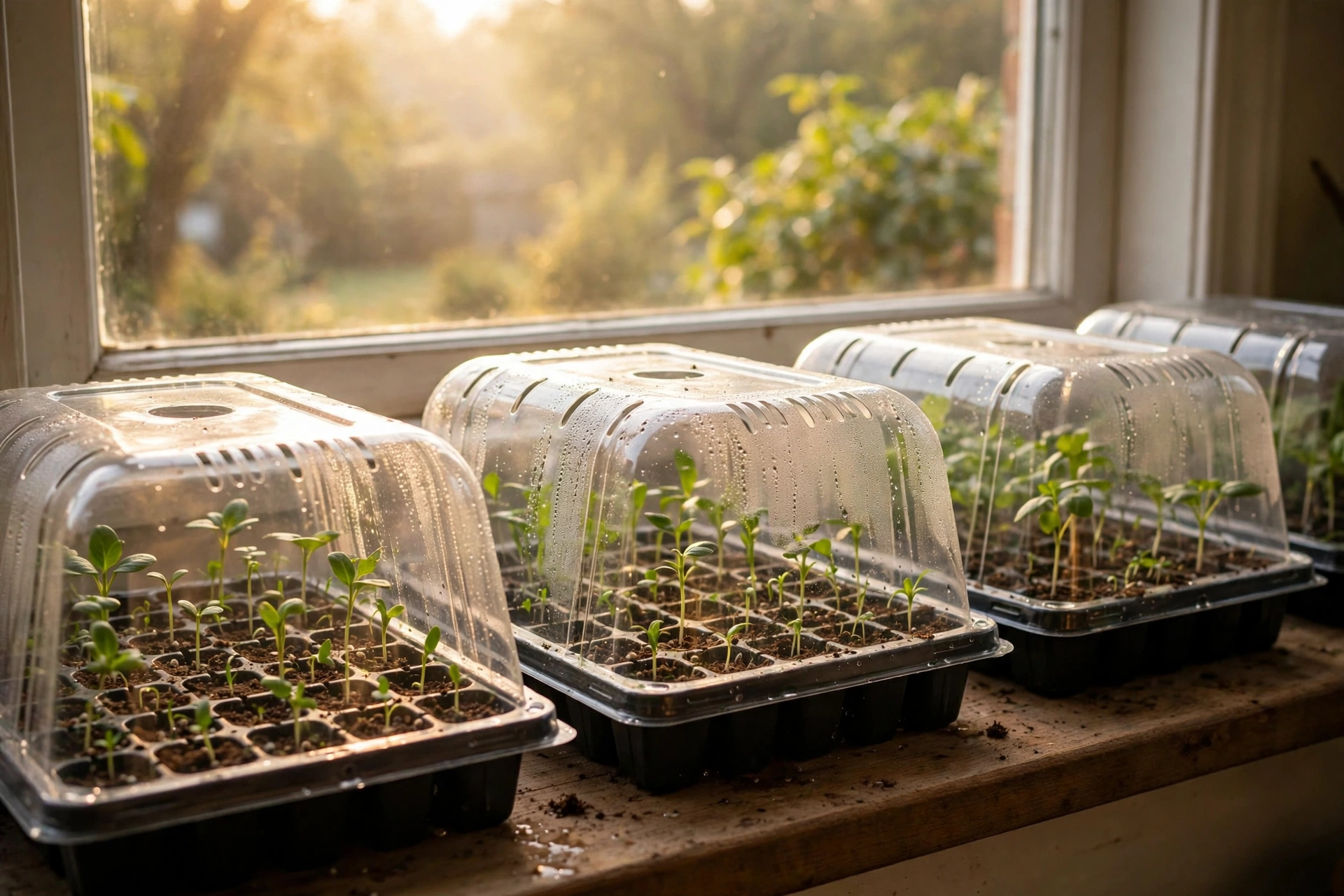
The gear between the packet and the garden. Done right, seed starting buys you weeks of season and varieties no transplant rack will ever carry. Done wrong, it’s leggy seedlings and a February electric bill. The honest picks: what matters, what’s marketing, and what you can skip.
What actually matters, in order
Ranked by impact, not by price tag.
1 — Light
Close and strong
A basic shop light hung inches above the seedlings beats a sunny windowsill every time. This is the whole game. See the lighting guide.
2 — Heat
Bottom heat for the stubborn ones
Peppers, eggplant, and some herbs germinate dramatically faster with bottom heat. Tomatoes don’t care. Know which camp your seeds are in before you buy the mat.
3 — Trays & mix
Gear that survives watering
Flimsy cells crumple; rigid trays last years. A real seed-starting mix is fine, sterile, and low-nutrient — garden soil in a tray is a damping-off invitation.
Bottom heat, honestly
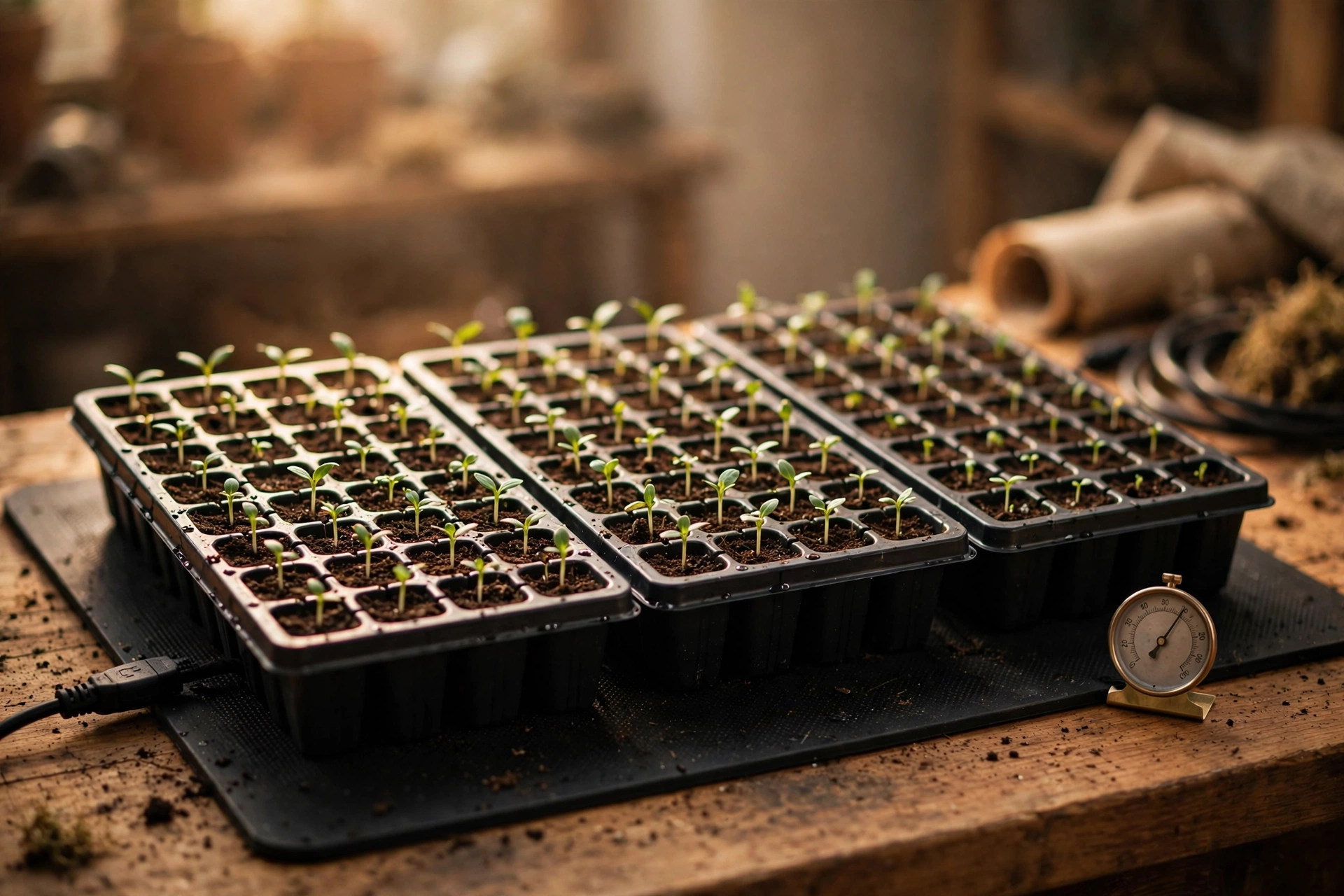
A heat mat is the most oversold and most underappreciated tool in the aisle — oversold because tomatoes and most greens couldn’t care less, underappreciated because for peppers and eggplant it’s the difference between ten days and three weeks. Buy it for the stubborn seeds, skip it for everything else. A thermometer matters more than the brand: germination is about soil temperature, and guessing isn’t measuring.
Retailer links coming soon.
Some links are affiliate links — we may earn a commission at no extra cost to you.
Water and air
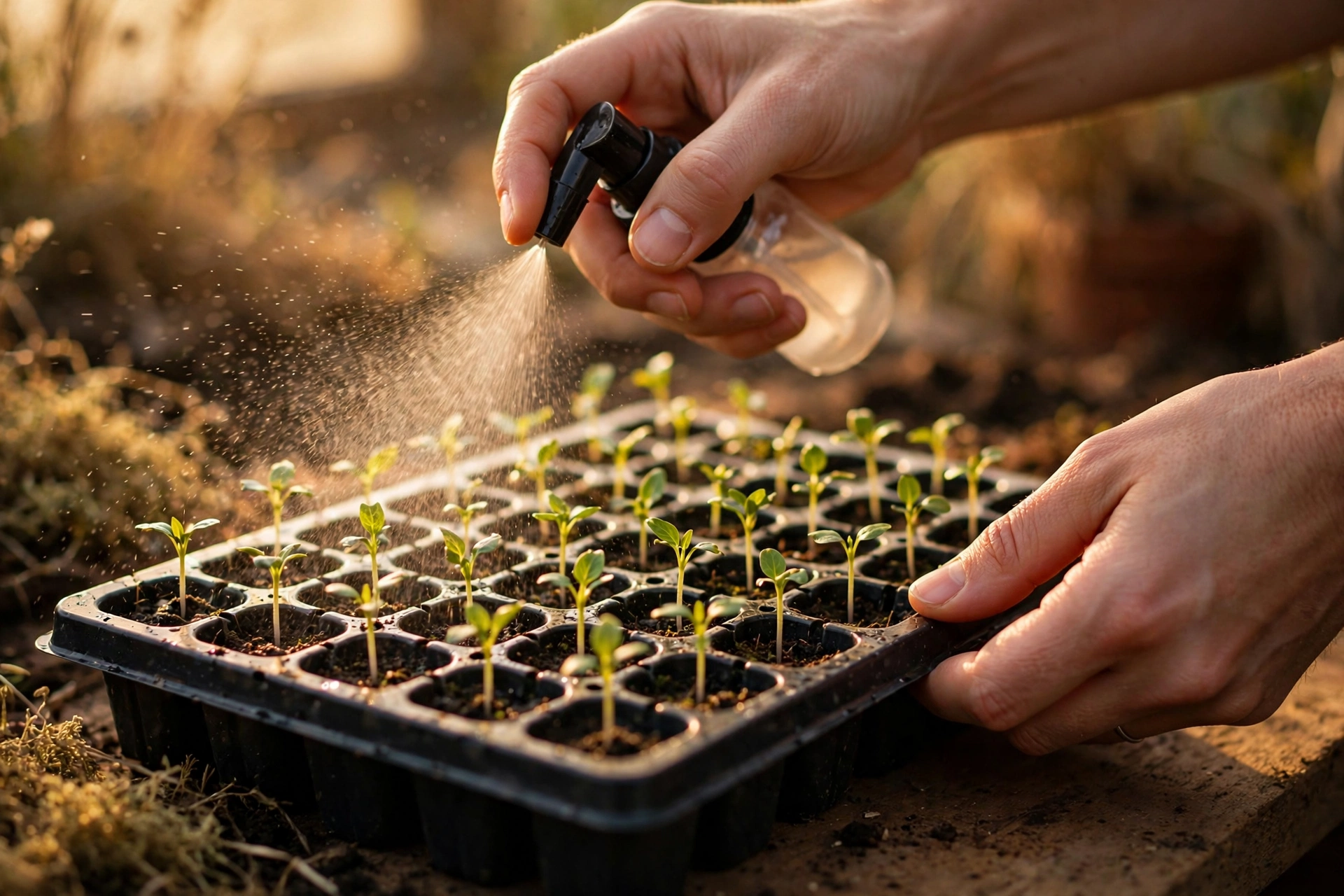
A humidity dome, briefly: humidity for germination, off the day things sprout — leave it on and you’re farming mold. Water from below to keep stems dry. And once they’re up, the middle weeks are about gentle feeding, moving air, and hardening off before the real world.
Good to know
Can I just use a sunny windowsill?
You can, but expect leggy seedlings: windows give light from one direction and not enough of it. A basic shop light on adjustable chains, kept a few inches above the plants, outperforms the best window in the house.
Do I need a heat mat?
Only for heat-loving germinators like peppers and eggplant. Tomatoes, brassicas, and most greens germinate fine at room temperature. A soil thermometer will tell you what your setup is actually delivering.
What’s damping off and how do I avoid it?
A fungal collapse that kills seedlings at the soil line — the classic beginner heartbreak. Prevention: sterile seed-starting mix (not garden soil), watering from below, air movement, and domes removed promptly after sprouting.
Gaia’s shelf pick
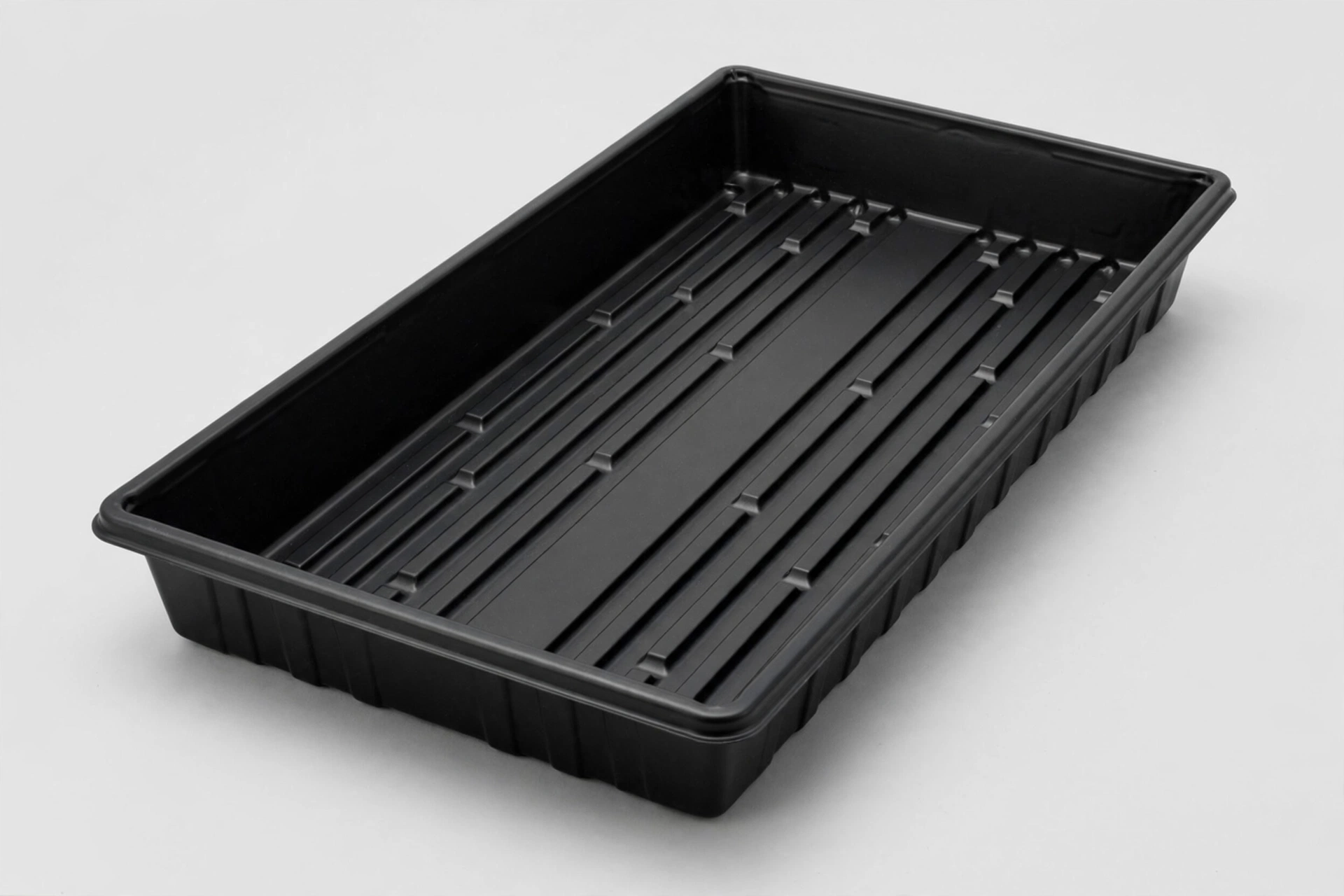
1020 Extra Strength Trays
Why we picked it: Most 1020 trays are one-spring throwaways — these are rigid, thick-walled, and built to survive years of watering without warping or cracking. The no-hole version doubles as a bottom-watering reservoir, which is the gentlest way to water seedlings. If you start seeds every year, this is the tray you buy once instead of every March.
Some links are affiliate links — we may earn a commission at no extra cost to you.
Gaia’s shelf pick
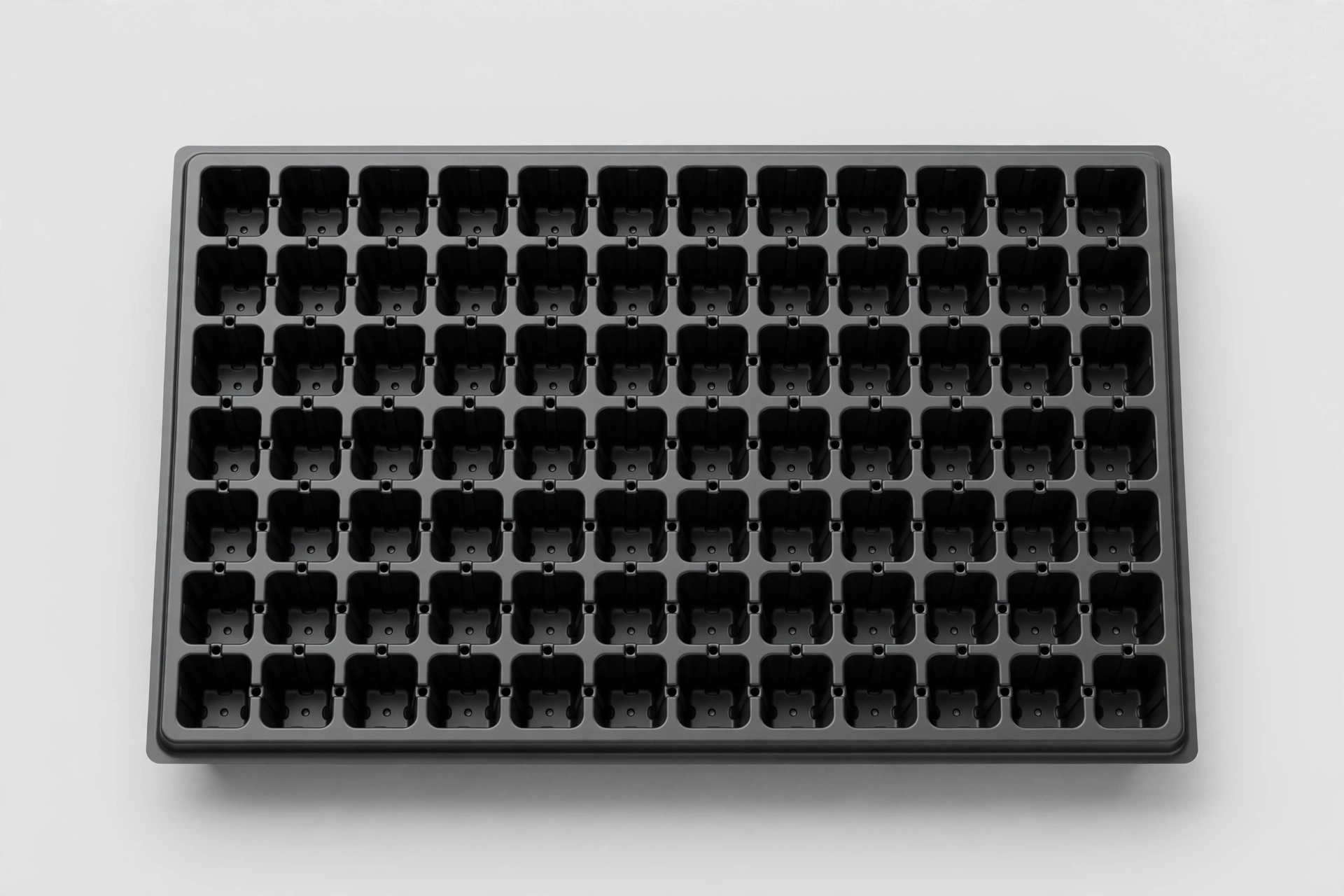
72-Cell Seed Starting Trays
Why we picked it: Cell inserts sized to drop straight into a standard 1020 tray, with walls thick enough to survive a wash and a second season. Seventy-two cells is the sweet spot — enough for a serious spring sowing without turning the whole house into a nursery. If you reuse gear year to year, these are the inserts that make it possible.
Some links are affiliate links — we may earn a commission at no extra cost to you.
Gaia’s shelf pick
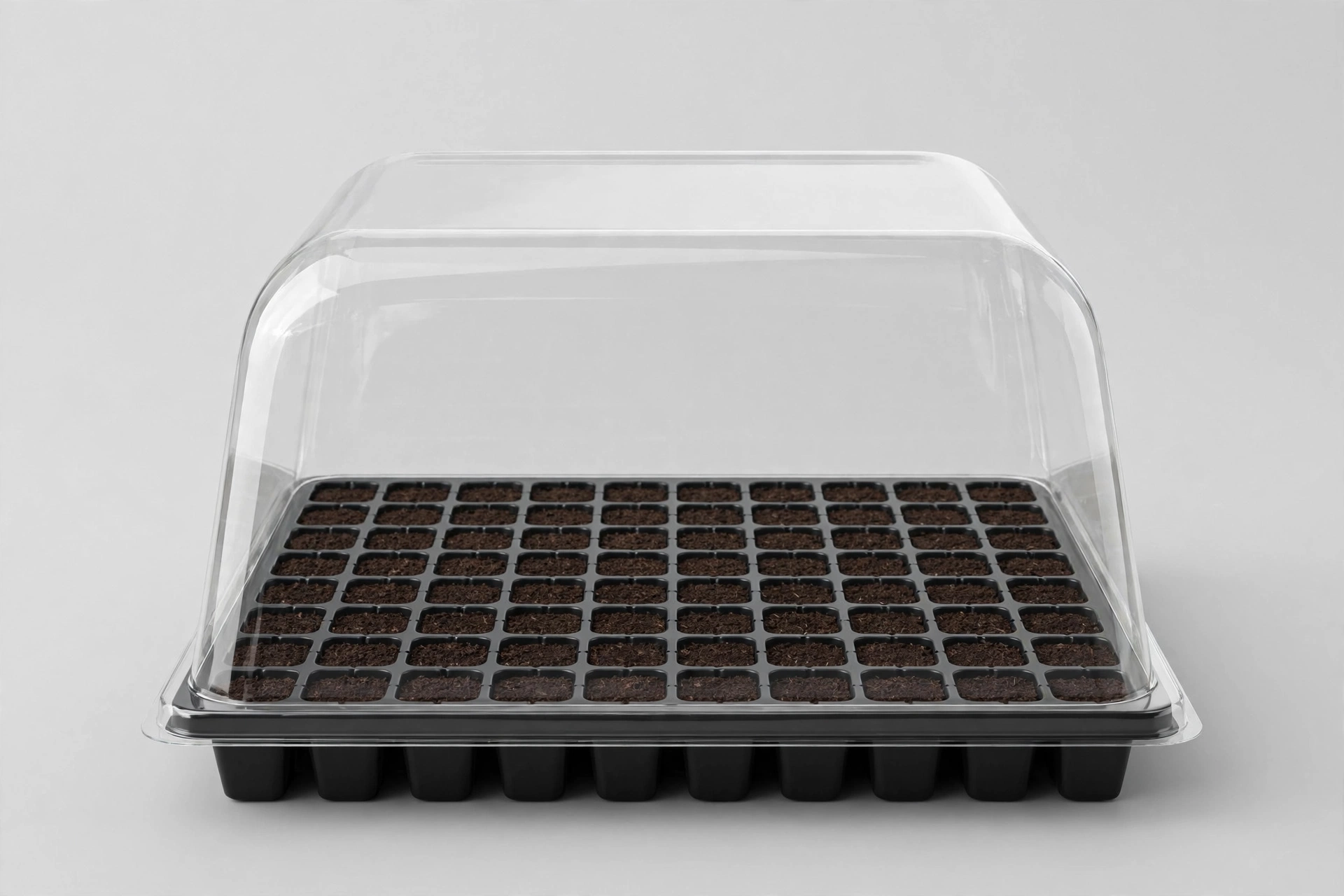
1020 Extra Strength Humidity Domes
Why we picked it: A humidity dome is only useful for the germination window — on until sprouts emerge, off the same day — and this one is thick enough to survive that cycle for seasons. The clear plastic lets you check progress without lifting it and dumping the humidity you just built. If your domes usually crack by April, this is the upgrade.
Some links are affiliate links — we may earn a commission at no extra cost to you.
Gaia’s shelf pick
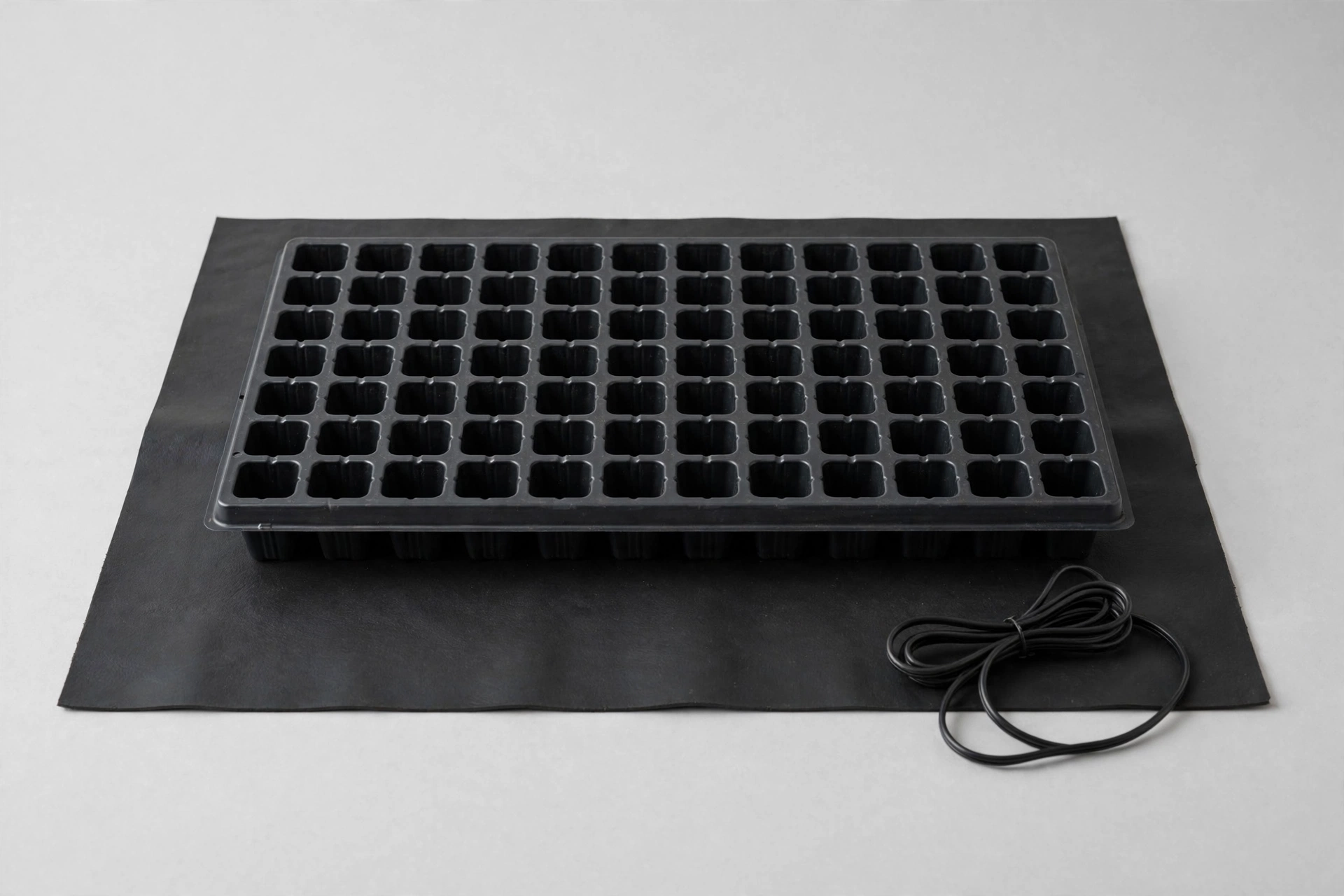
Seed Starting Heat Mat
Why we picked it: Peppers, eggplant, and slow herbs germinate dramatically faster with warm soil under them — in a cool room, a heat mat is the difference between ten days and three weeks. It’s sized to fit a standard 1020 tray, so the whole flat gets even warmth. Tomatoes don’t need it, but if you grow peppers, this is the cheapest germination insurance you can buy.
Some links are affiliate links — we may earn a commission at no extra cost to you.
Gaia’s shelf pick
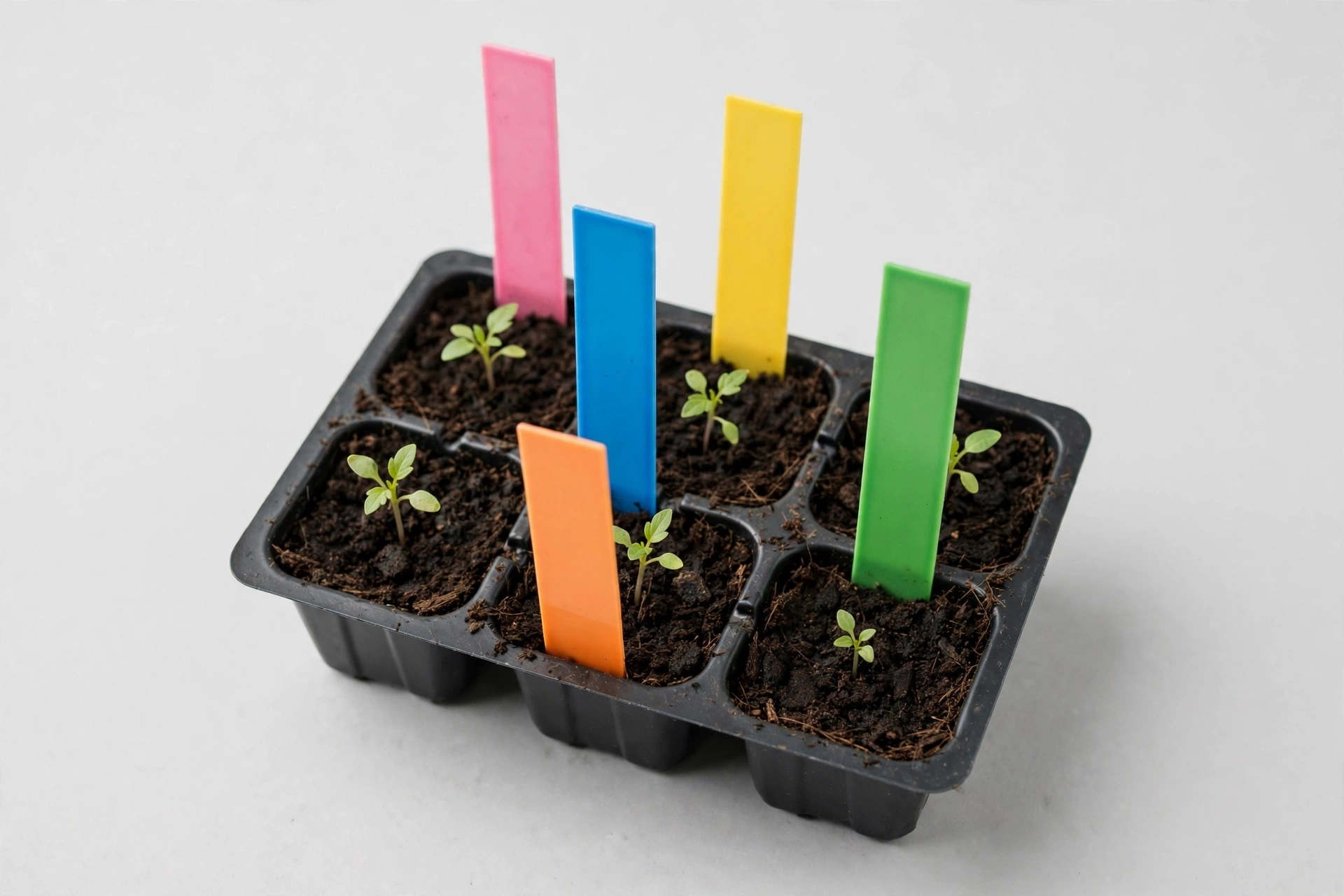
Multi-Color Plant Labels | 100 Count
Why we picked it: A hundred weatherproof labels in five colors, for marking variety and sowing date the moment seeds go in. Every gardener has grown a tray of mystery seedlings once — this is the cheap insurance against ever doing it again. Color-code by family or by sowing week; either way, future-you says thanks.
Some links are affiliate links — we may earn a commission at no extra cost to you.