Home / Seed Saving & Storage
The craft
Seed Saving & Storage
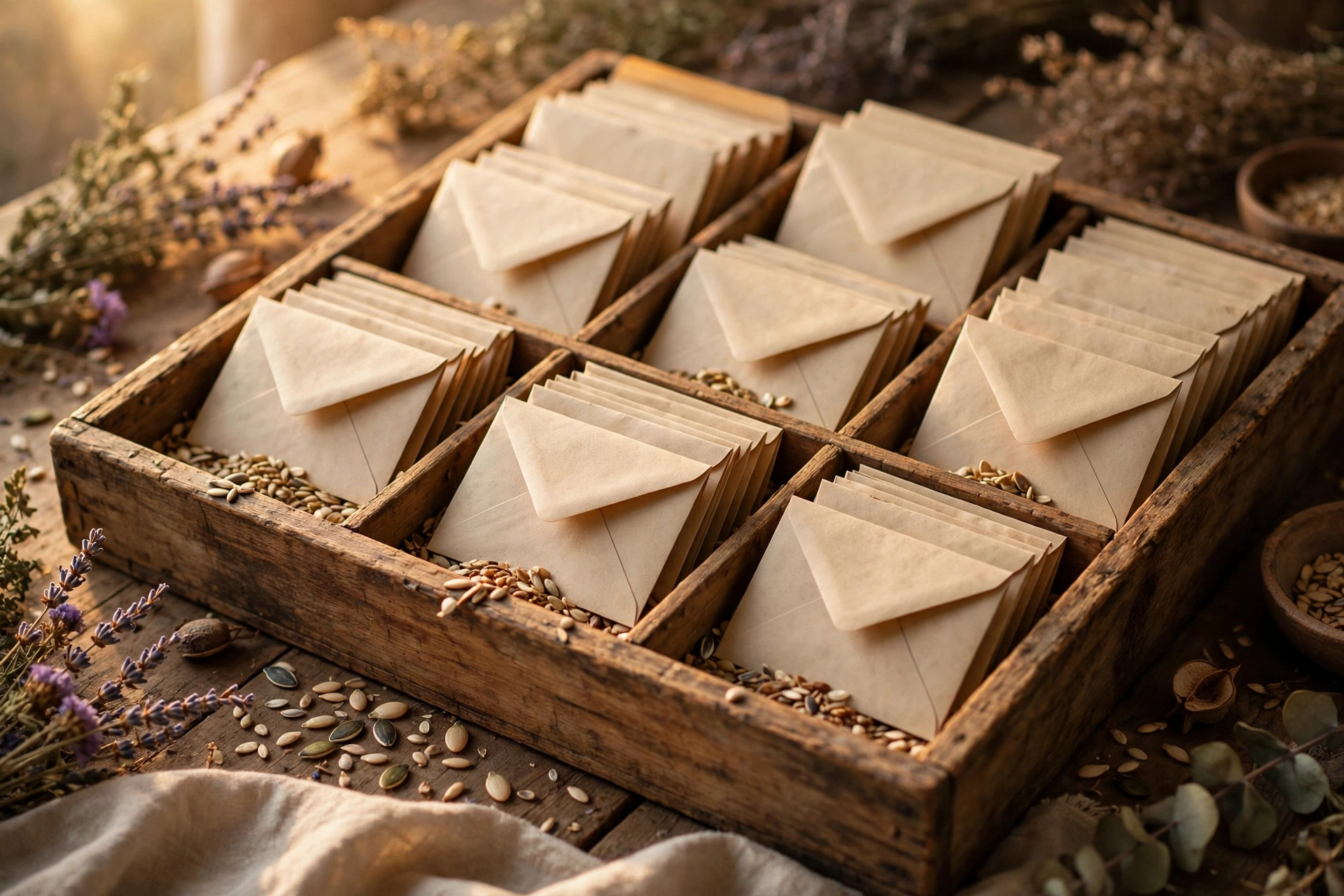
The skill that turns a gardener into a seed keeper. Save seed from your best plants and every year your garden gets a little more yours — adapted to your soil, your seasons, your taste. It costs nothing, and it’s the oldest agricultural technology there is.
The honest basics
Four rules. Learn them in year one; the fancy stuff can wait.
Rule 1
Open-pollinated only
Save from open-pollinated varieties — hybrids won’t grow true. This is why the heirloom shelf matters.
Rule 2
Start with the easy ones
Tomatoes, beans, peas, and lettuce practically save themselves. Cross-pollinators like squash and corn need isolation or hand-pollination — learn those in year two.
Rule 3
Ferment the tomatoes
A few days in their own juice, then rinse and dry — it removes the germination-inhibiting coating. Full walkthrough in Seed Saving 101.
Cool, dark, dry
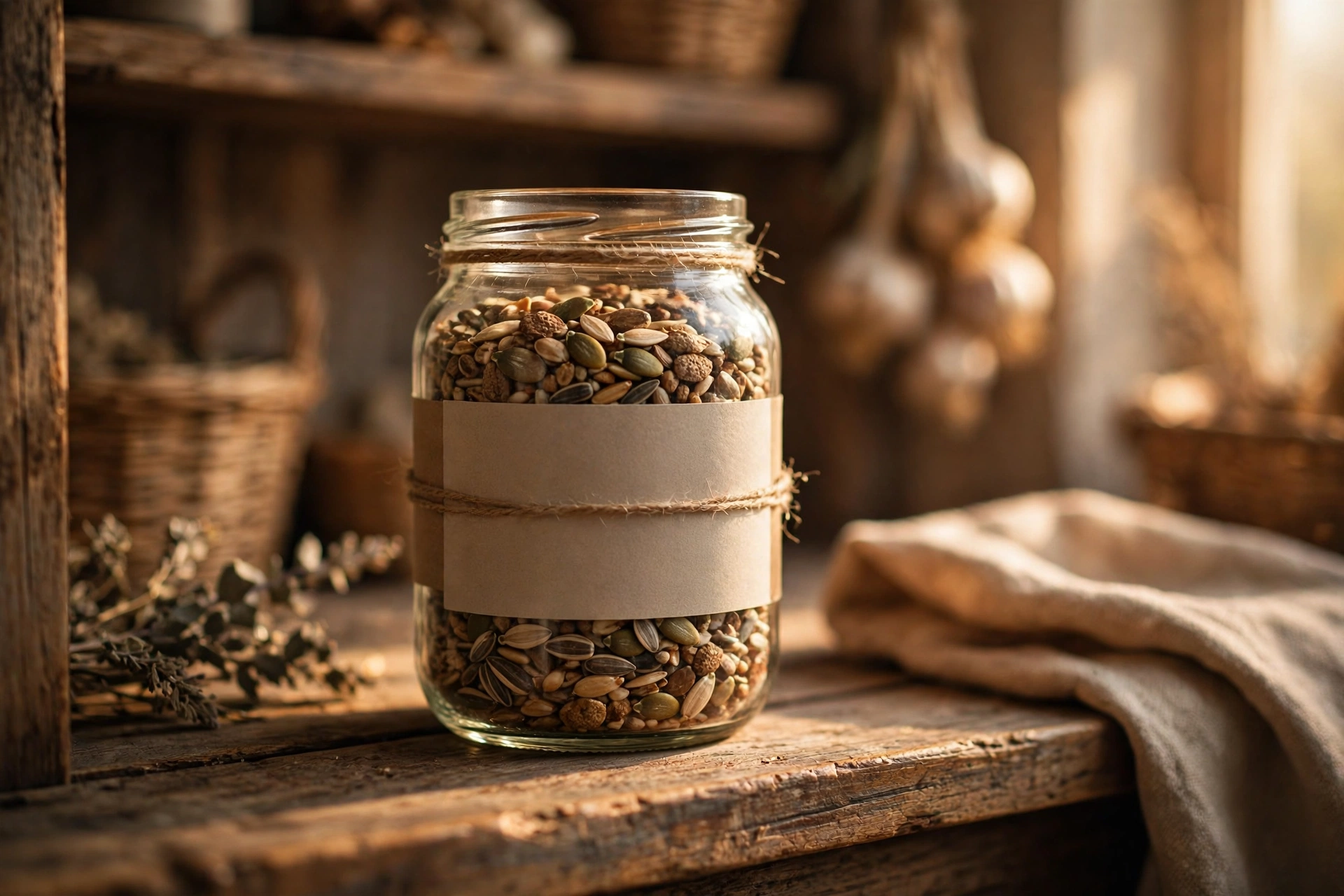
Storage is the unglamorous half of the craft, and it’s where saved seed goes to die. Heat and humidity are the enemies; a sealed jar in a cool, dark spot is the whole strategy. Label everything with variety and year — “mystery seeds” are how good varieties get lost. Envelopes for the dry, jars for the sealed, and silica packets if your summers are humid.
Retailer links coming soon.
Some links are affiliate links — we may earn a commission at no extra cost to you.
Dry them like you mean it
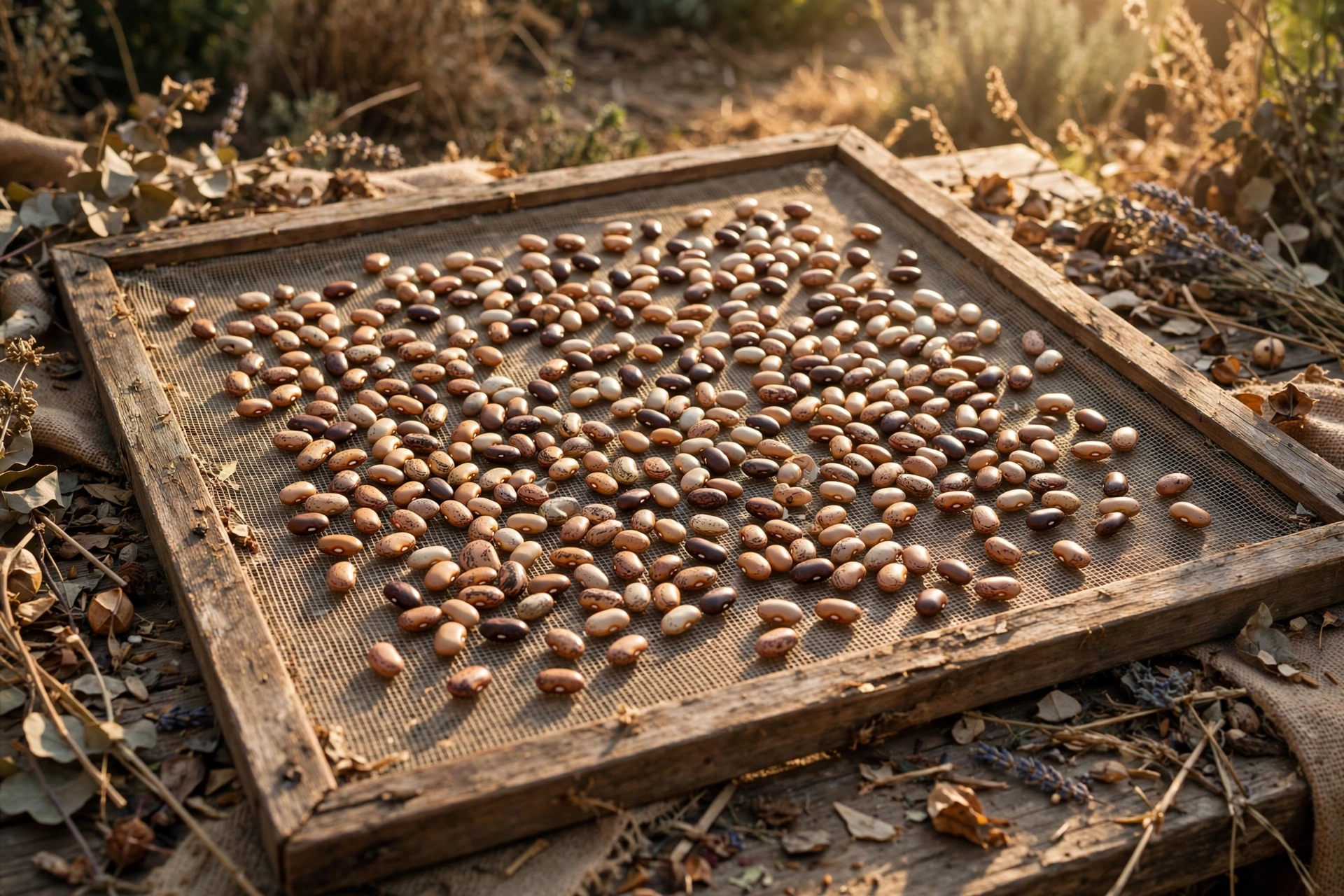
Seed that feels dry often isn’t. Beans and peas should be hard enough to shatter, not dent, before they go in the jar — a week on a screen in moving air beats a day on the counter. If you’re unsure, give it another few days. Rushing this step is the most common way a good save goes bad.
Good to know
How long do saved seeds last?
It varies widely by crop and storage conditions — cool, dark, and dry stretches viability; heat and humidity shorten it. Save fresh seed each year from your best plants and you’ll rarely need to wonder.
Can I save seed from grocery-store produce?
Sometimes, but it’s a gamble: most commercial produce is hybrid, and you won’t know until next season. Open-pollinated varieties from a seed house are the reliable starting point.
What’s the easiest seed to save first?
Beans and peas: let the pods dry on the plant, shell, and store. Tomatoes are next, with the fermentation step. Both are covered step by step in Seed Saving 101.
Gaia’s shelf pick
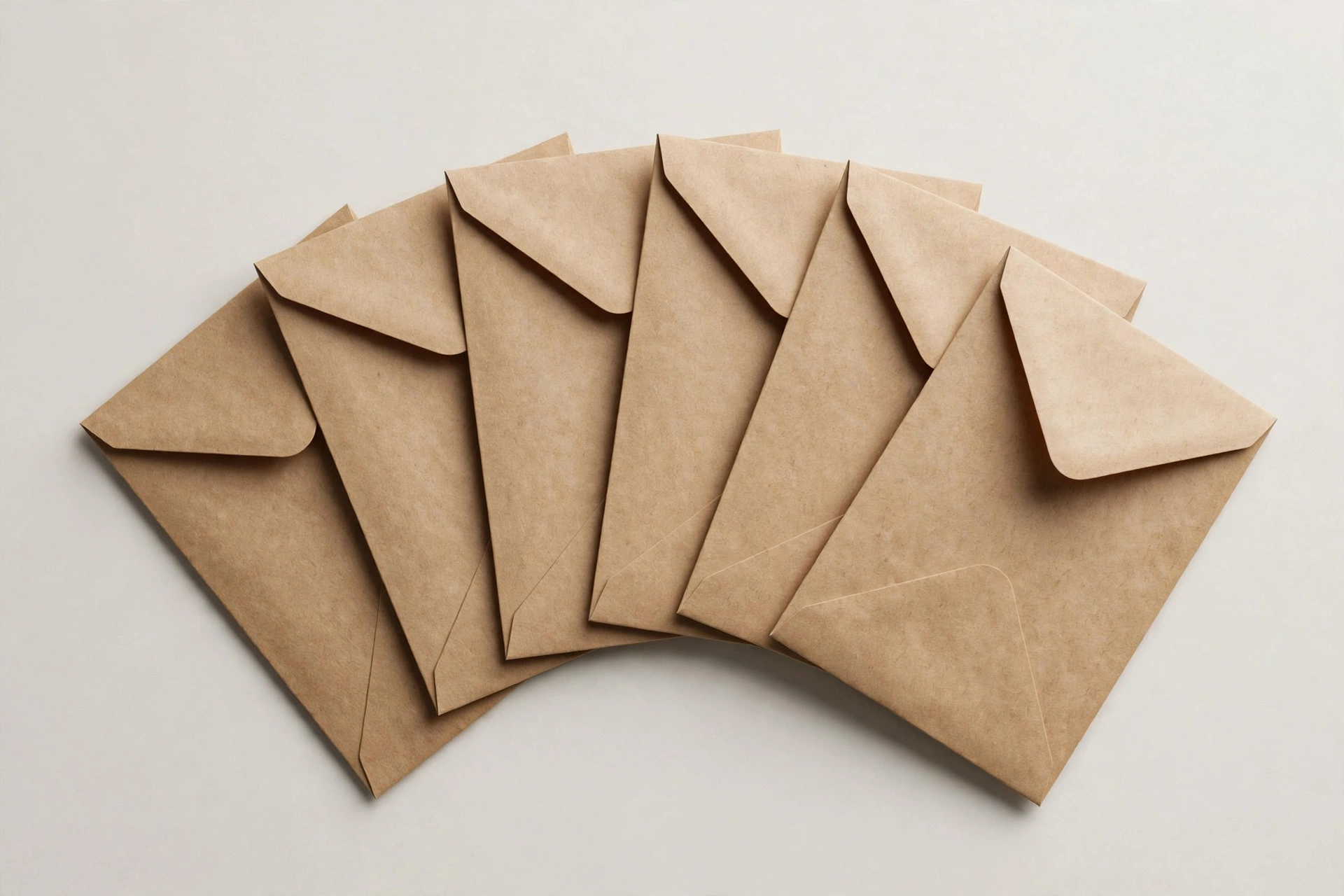
Kraft Self Sealing Seed Packets
Why we picked it: Seed saving falls apart without labeling, and these simple kraft envelopes are the system — write the variety and year on the front, fill, seal. Self-sealing means no licking or glue, and the paper breathes just enough for dry seed. If your saved seed currently lives in mystery baggies, this is the small upgrade that changes everything.
Some links are affiliate links — we may earn a commission at no extra cost to you.
Gaia’s shelf pick
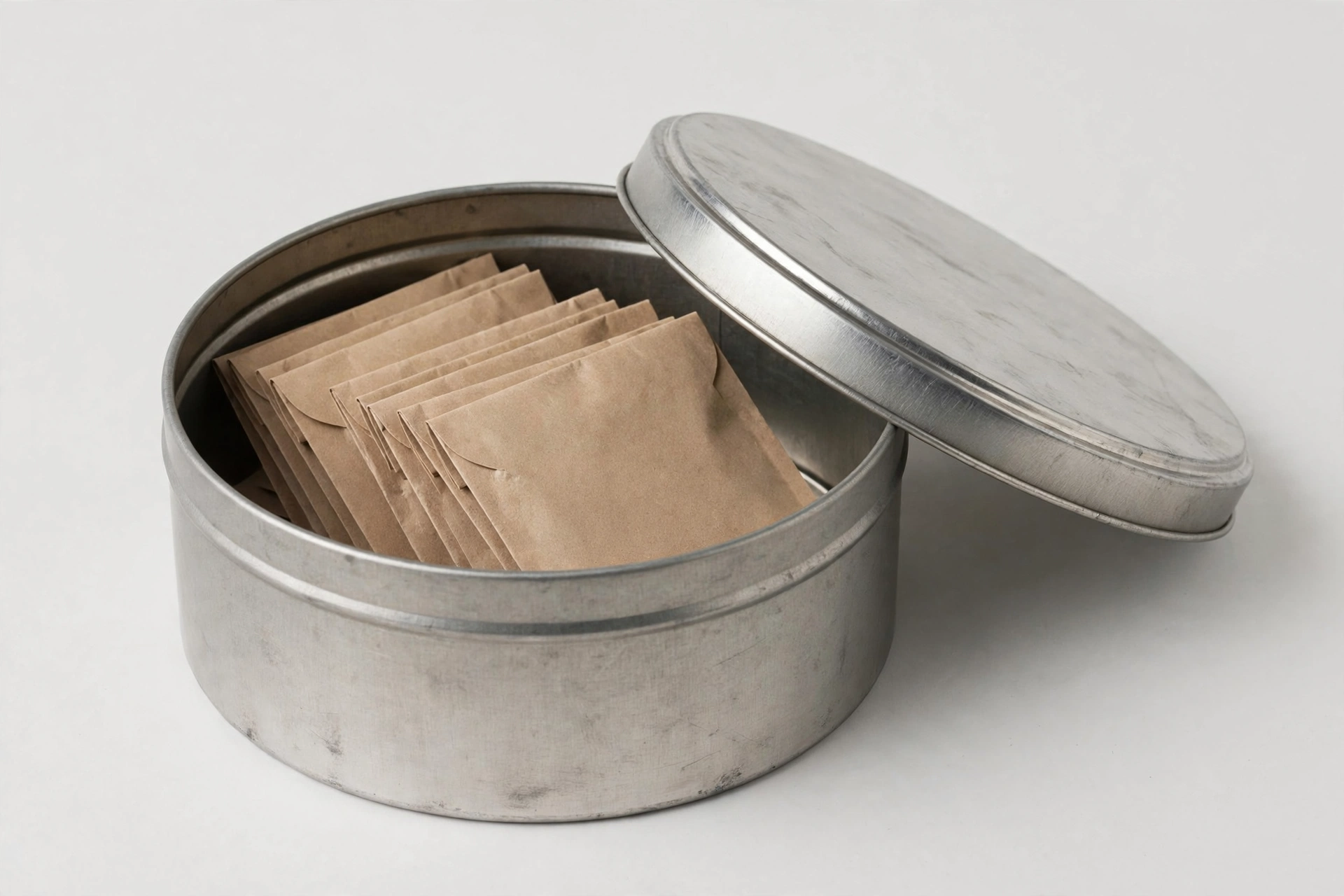
Seed Storage Tin
Why we picked it: Saved seed wants three things — cool, dark, and dry — and a lidded tin delivers all three while keeping mice and light off your packets. One tin holds a serious collection in a single grab-and-go spot for sowing season. If your packets are scattered across drawers, this is how they become a library.
Some links are affiliate links — we may earn a commission at no extra cost to you.
Gaia’s shelf pick
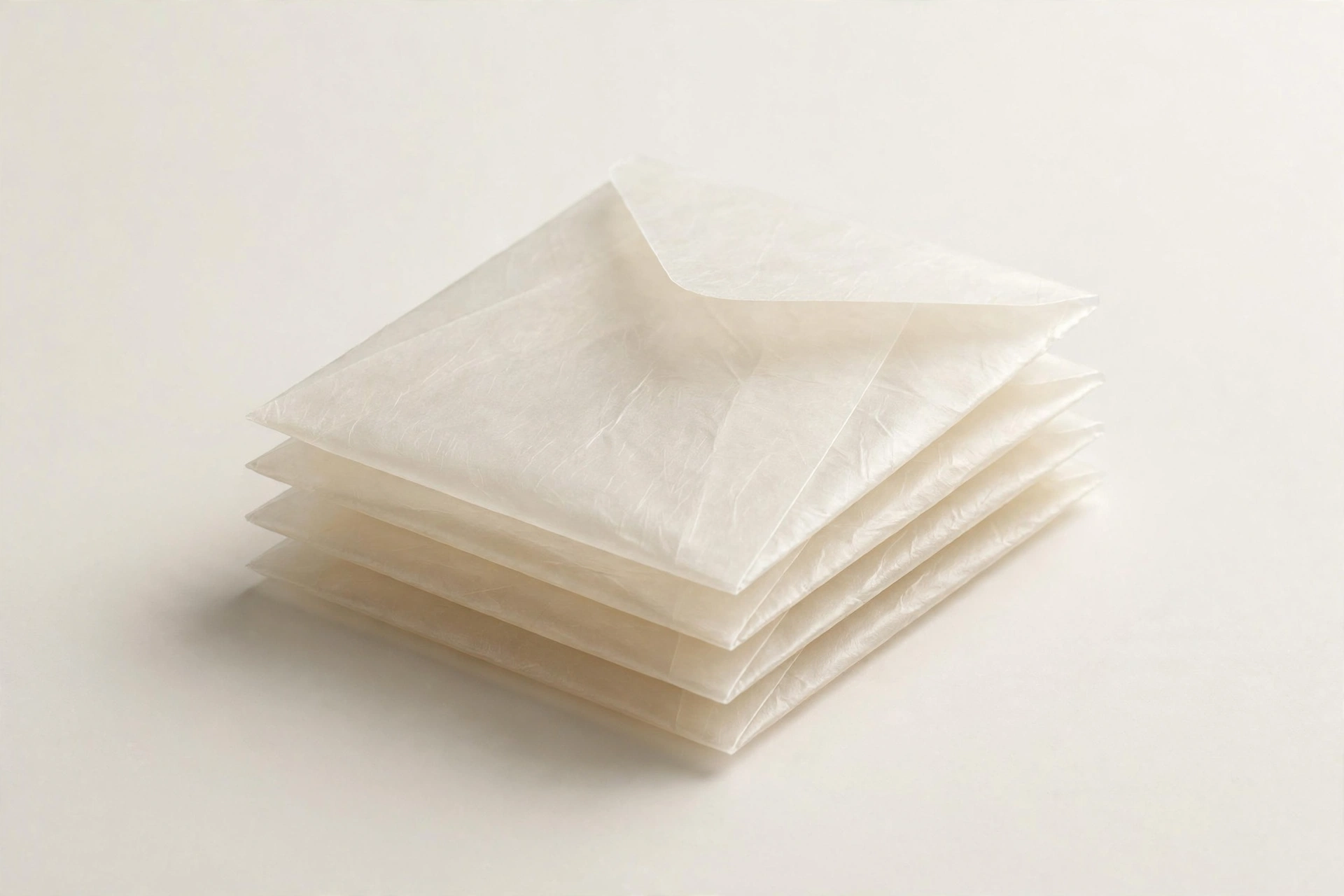
Glassine Packets
Why we picked it: Glassine is the seed saver’s envelope — translucent so you can see what’s inside, resistant to air and moisture so small lots stay viable. Fifty per set is enough for your own library plus extras to trade with neighbors. If you swap seeds at the exchange or with friends, these are the proper vehicle.
Some links are affiliate links — we may earn a commission at no extra cost to you.
Gaia’s shelf pick
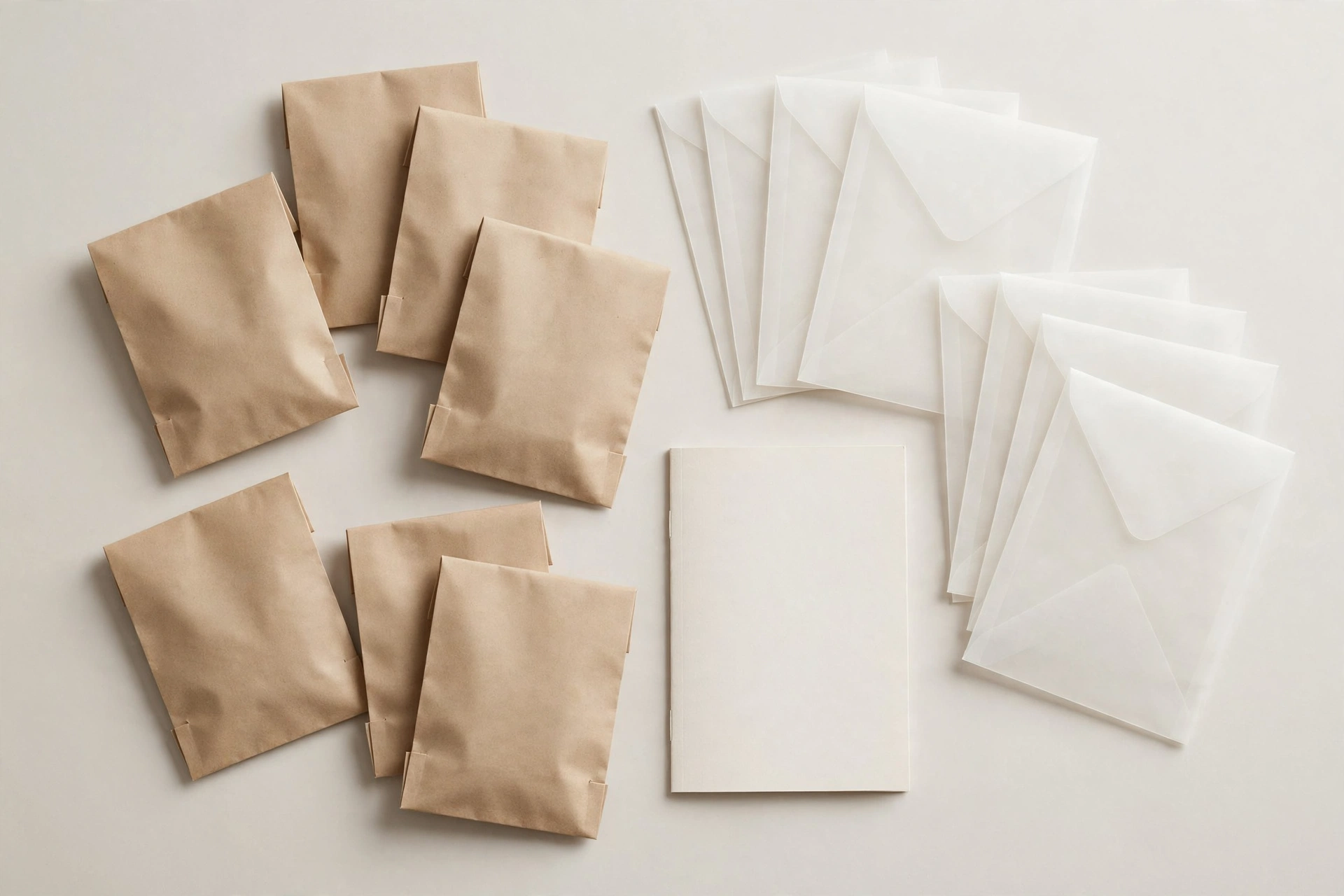
Seed Saving Kit
Why we picked it: The kit bundles the two halves of seed saving — bags and glassine envelopes for the doing, plus the Seed Garden book for the knowing. It covers both dry-seeded crops like beans and lettuce and wet-seeded ones like tomatoes that need fermenting first. If you’re starting seed saving from zero, this is the one box that gets you competent.
Some links are affiliate links — we may earn a commission at no extra cost to you.
Gaia’s shelf pick
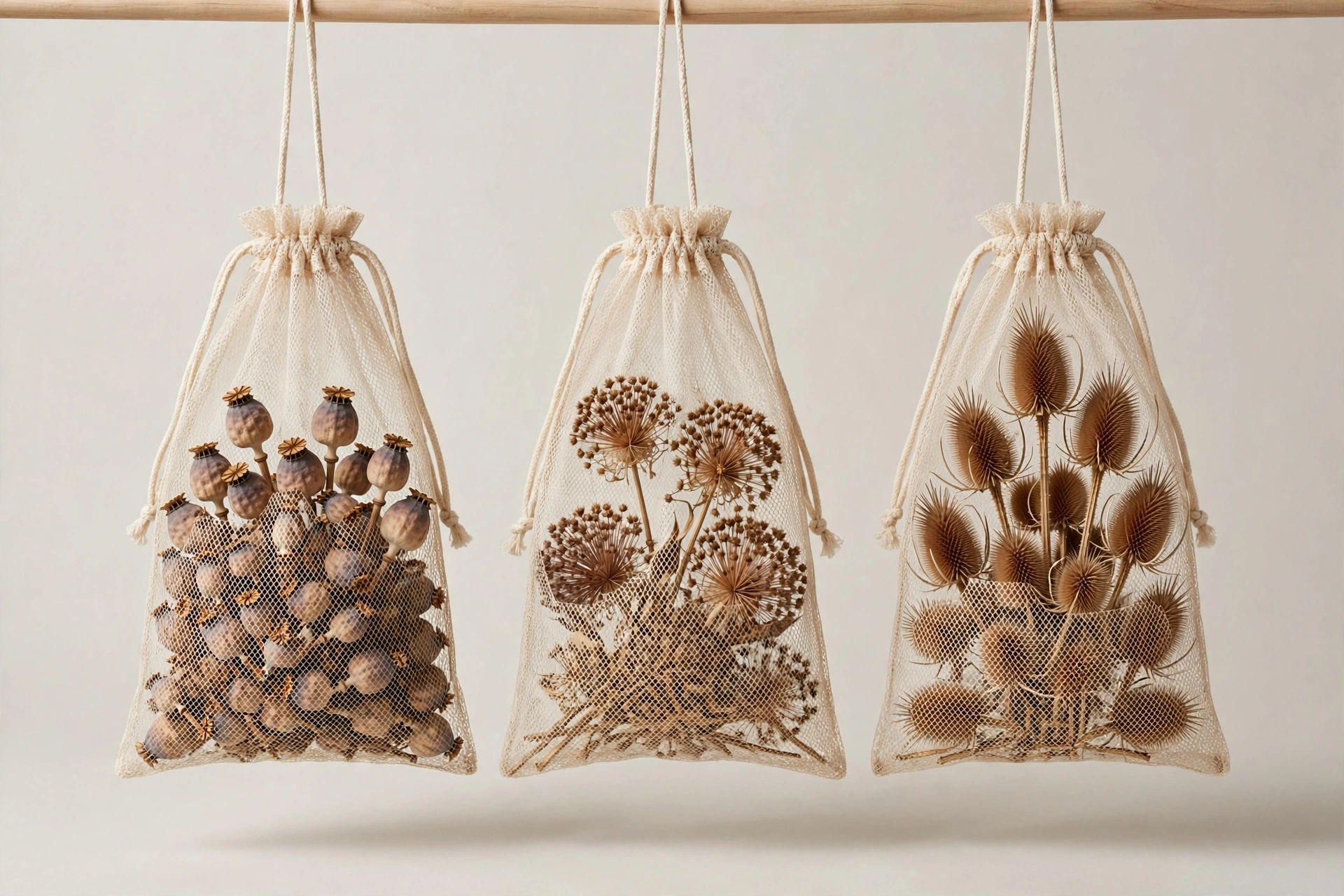
Mesh Bags
Why we picked it: Drawstring mesh bags slip over seed heads still on the plant, catching every seed while air keeps flowing — no mold, no losses to wind. They double for curing beans and garlic after harvest. If you’ve ever watched ripe seed scatter the day before you planned to collect it, these are the fix.
Some links are affiliate links — we may earn a commission at no extra cost to you.