Home / Heirloom & Open-Pollinated Seeds
The shelf
Heirloom & Open-Pollinated Seeds
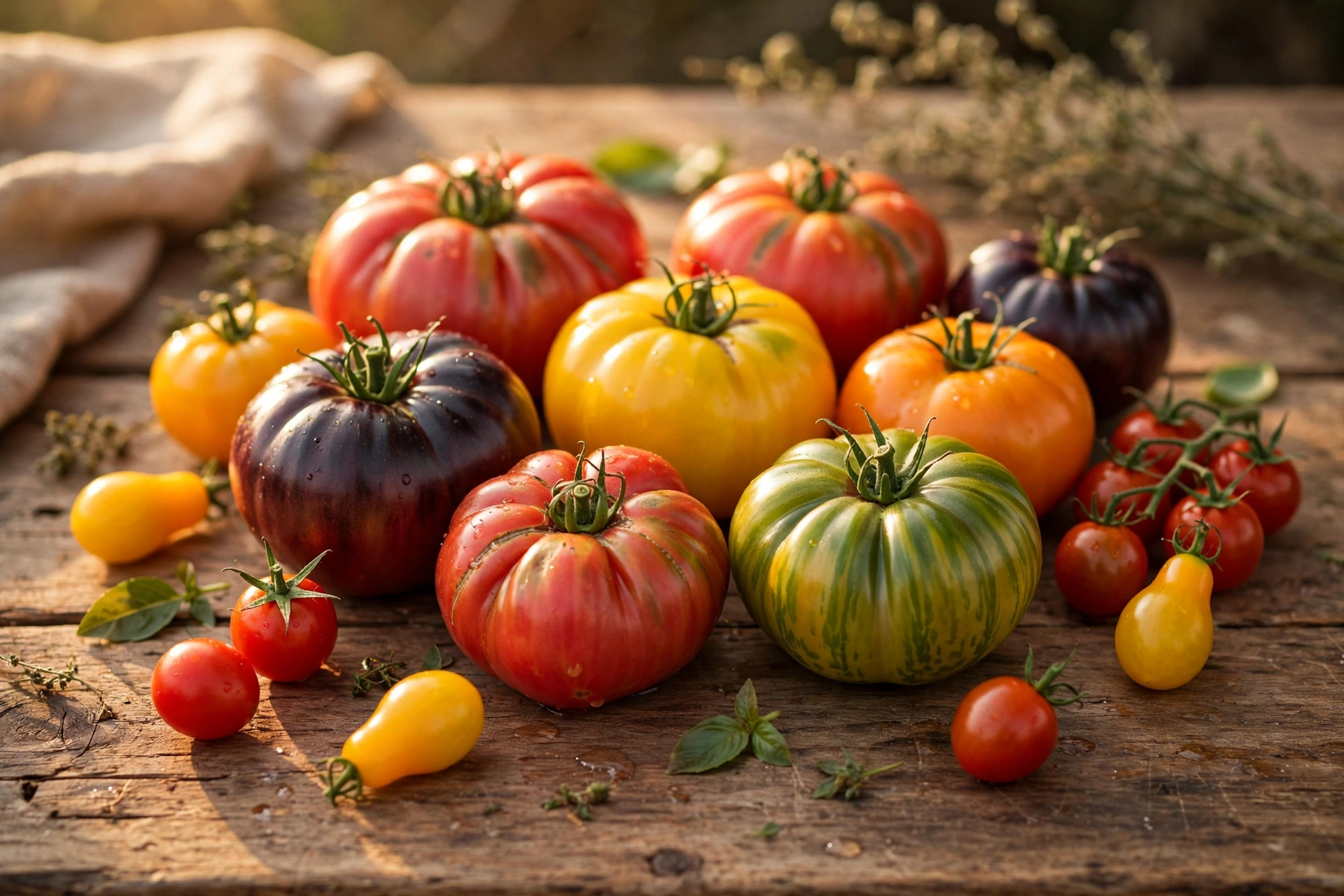
A seed is a story with a future. Heirlooms and open-pollinated varieties are the ones you can save, adapt to your soil, and hand to a neighbor — and they tend to taste like something. Below: the varieties worth your garden space, each with its story and its honest drawbacks.
Why heirlooms?
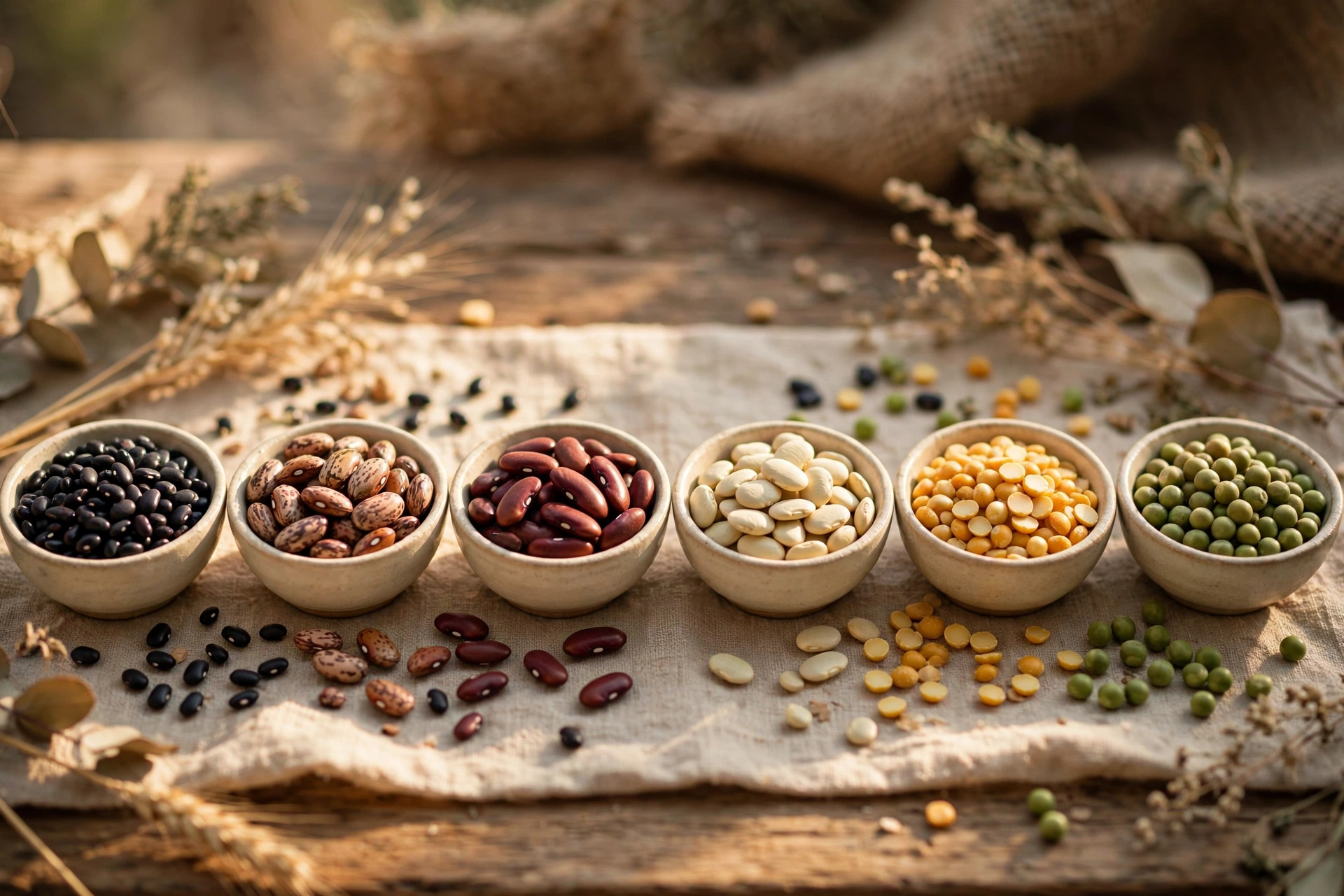
Open-pollinated seeds grow true — save the seed, get the same plant. Hybrids don’t promise that. Heirlooms are open-pollinated varieties with history: decades of some gardener, somewhere, choosing the best-tasting tomato or the toughest bean. That selection is the point. It’s also why this shelf and seed saving belong together: heirlooms are the varieties the craft works on.
Variety story cards
Every variety on this shelf gets the same treatment: its history, its growing notes, and the cons we’d want a neighbor to tell us — disease susceptibility, short storage, fussy germination.
Gaia’s shelf pick
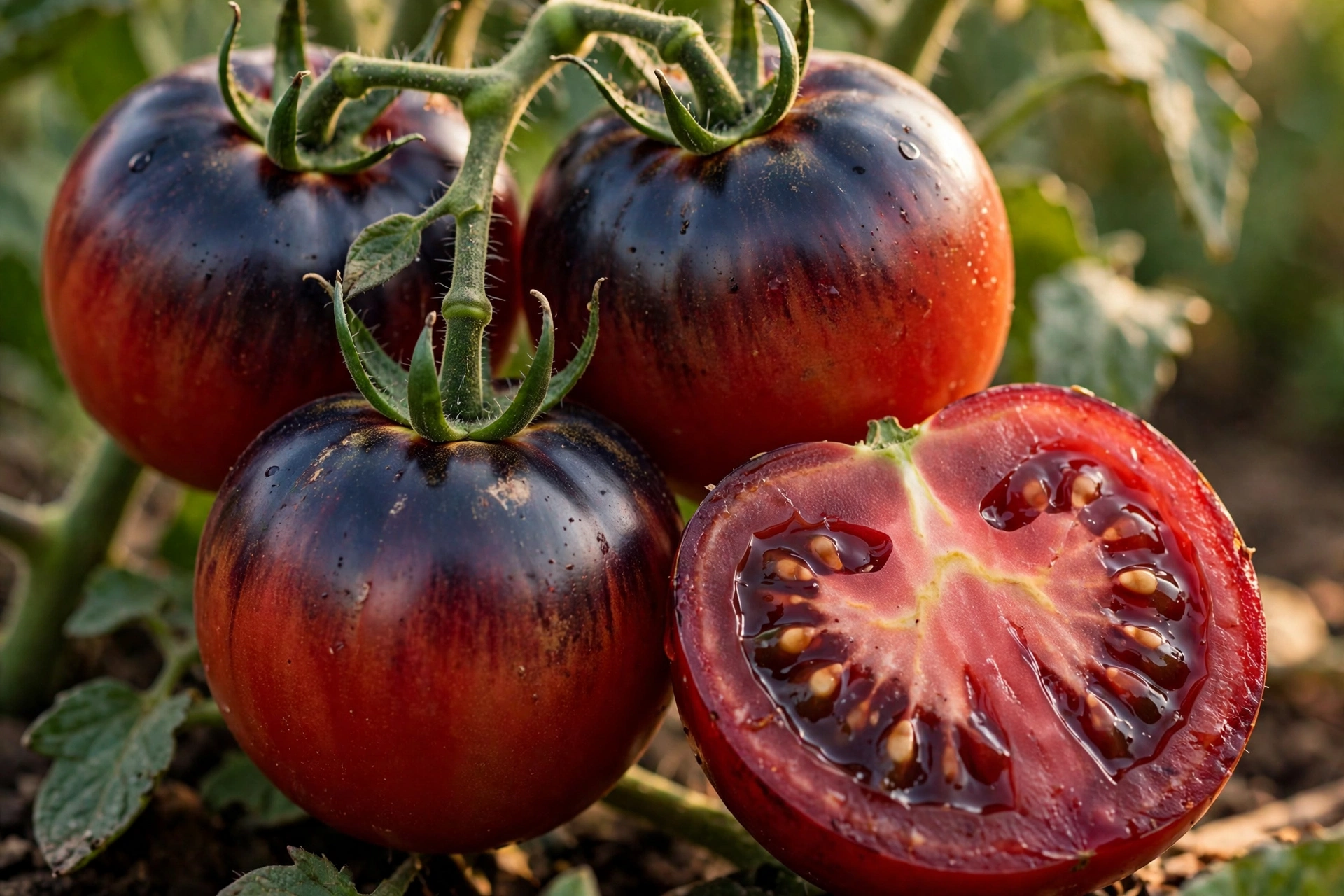
Baker Creek Black Beauty tomato
Why we picked it: The darkest tomato we know — skins that go solid blue-black, with dark, rich, savory flesh some growers call the best they’ve ever eaten. It hangs well on the vine and the flavor actually improves with a few days of counter ripening, so nothing goes to waste. Indeterminate to 6–8 feet, so give it one serious cage and it’ll produce until frost — in a small garden, this is the one black tomato that earns its spot.
Some links are affiliate links — we may earn a commission at no extra cost to you.
Gaia’s shelf pick
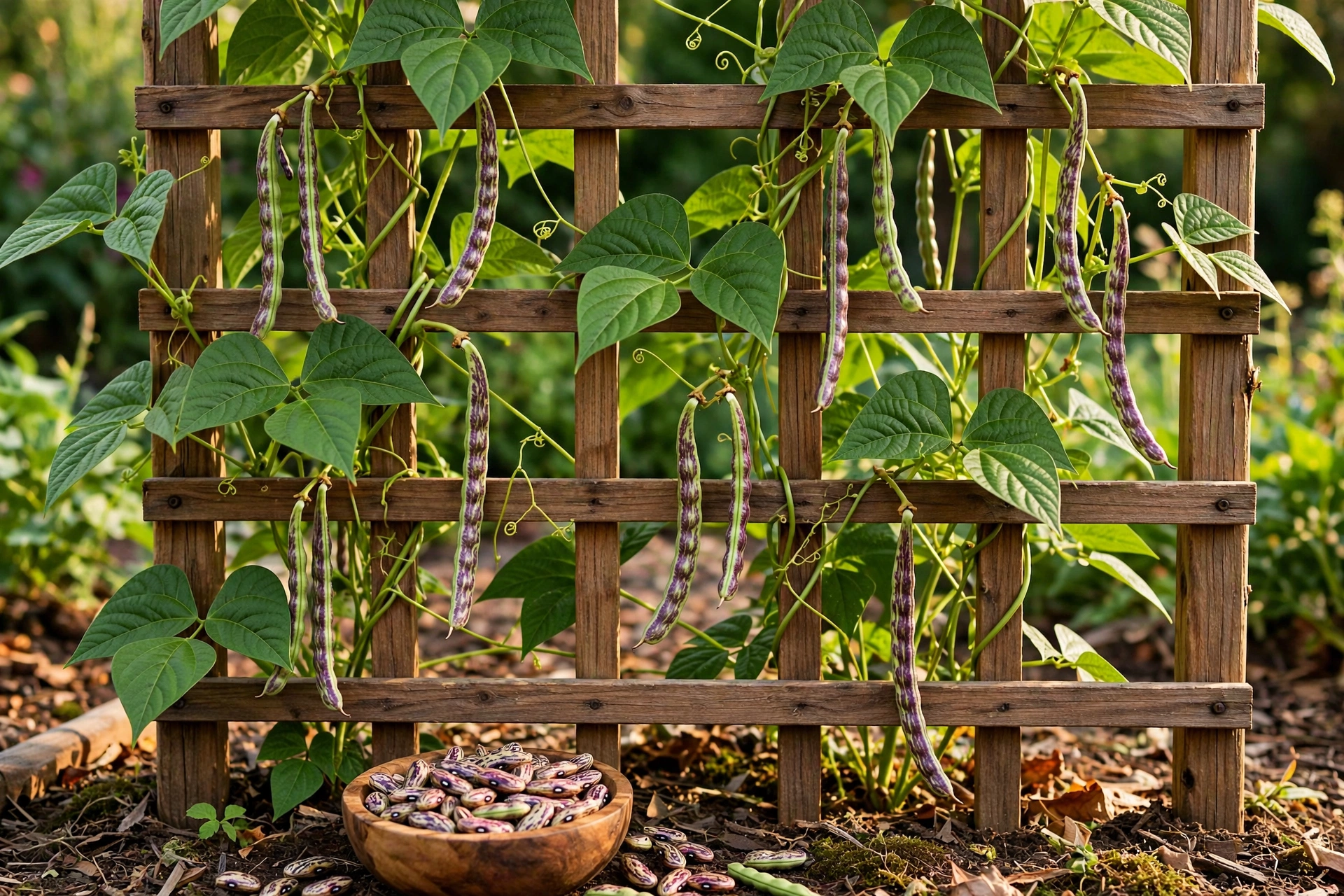
Baker Creek Rattlesnake pole bean
Why we picked it: A pole bean that thrives where others sulk — bred for hot, humid weather, with tender green pods streaked purple. Eat them fresh, then leave the last pods to dry on the vine, shell them out, and store: that’s next year’s seed, free. The speckled dry beans cook up into a proper pot of soup beans, so one $3.50 packet covers fresh eating, drying, and seed saving.
Some links are affiliate links — we may earn a commission at no extra cost to you.
Gaia’s shelf pick
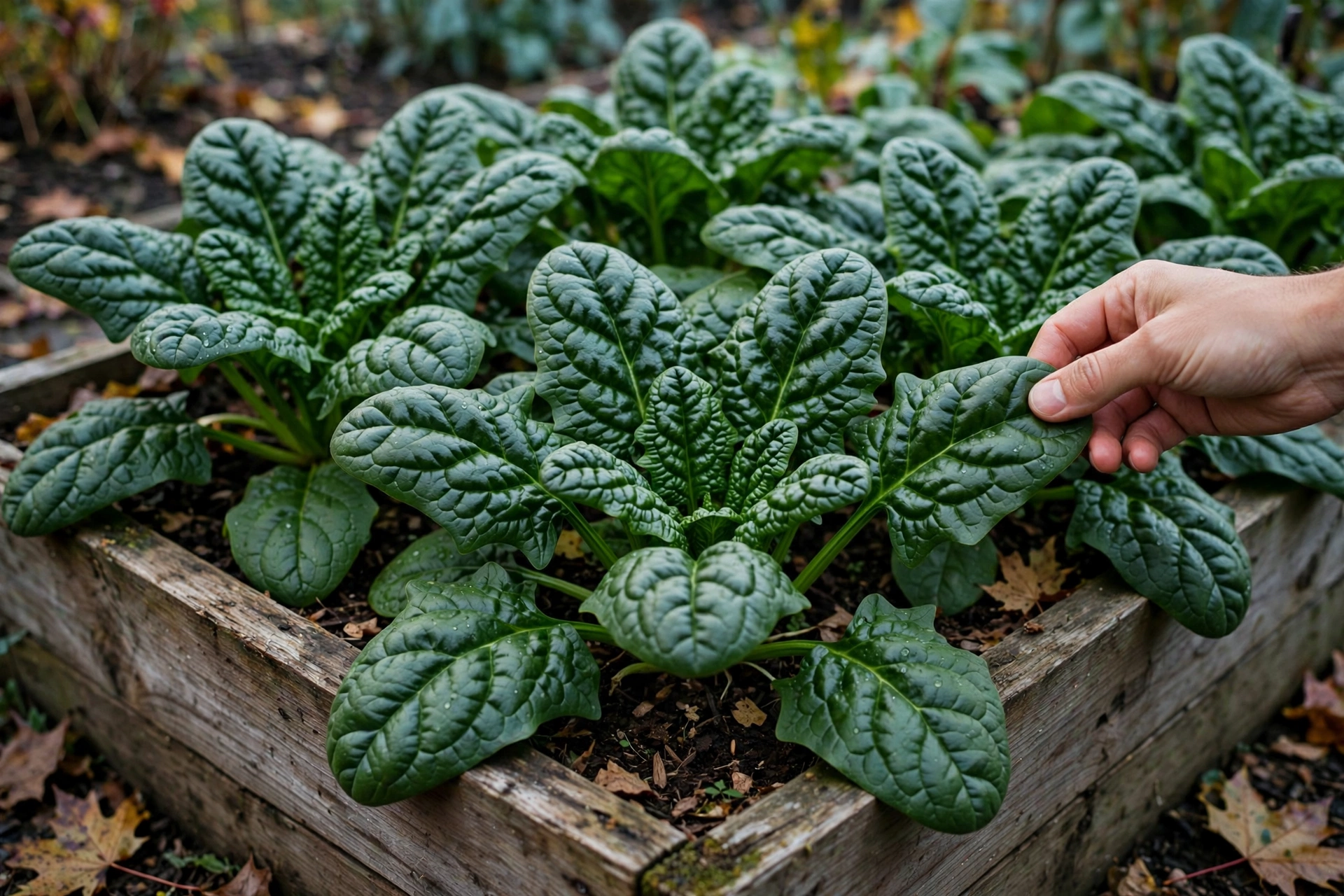
Fedco Bloomsdale spinach
Why we picked it: Fedco’s own honesty sold us — this classic bolts in spring heat, so don’t fight it: sow for the fall crop, where it shines. Thick, crinkled, rich-flavored leaves in 42 days, cut-and-come-again if you pick the outer leaves. Open-pollinated, so your saved seed runs true. In short seasons it’s the honest pick: one fall sowing beats two failed spring ones.
Some links are affiliate links — we may earn a commission at no extra cost to you.
Some links are affiliate links — we may earn a commission at no extra cost to you.
Built slowly, on purpose
We’re stocking this shelf one variety at a time, because a story card that hides the drawbacks isn’t worth the pixels. When a variety shelf goes live, it’ll carry the full treatment — history, growing notes, cons, and where to buy it from a reputable seed house.
Suggest a variety you think deserves a story card.
Good to know
What’s the difference between heirloom and open-pollinated?
All heirlooms are open-pollinated, but not all open-pollinated varieties are heirlooms. “Open-pollinated” means the seed grows true to type. “Heirloom” adds history — decades of selection by gardeners for flavor, hardiness, or regional fit.
Can I save seeds from hybrids?
You can, but they won’t grow true — the next generation is a genetic grab bag. If seed saving is part of your plan, start with open-pollinated varieties. Our Seed Saving 101 guide explains which crops are easiest.
Are heirlooms harder to grow?
Not categorically, but honesty requires the cons: some heirlooms are more disease-prone or fussier about germination than modern hybrids. Each story card will say so plainly, so you can decide if the flavor is worth the trade.
Gaia’s shelf pick
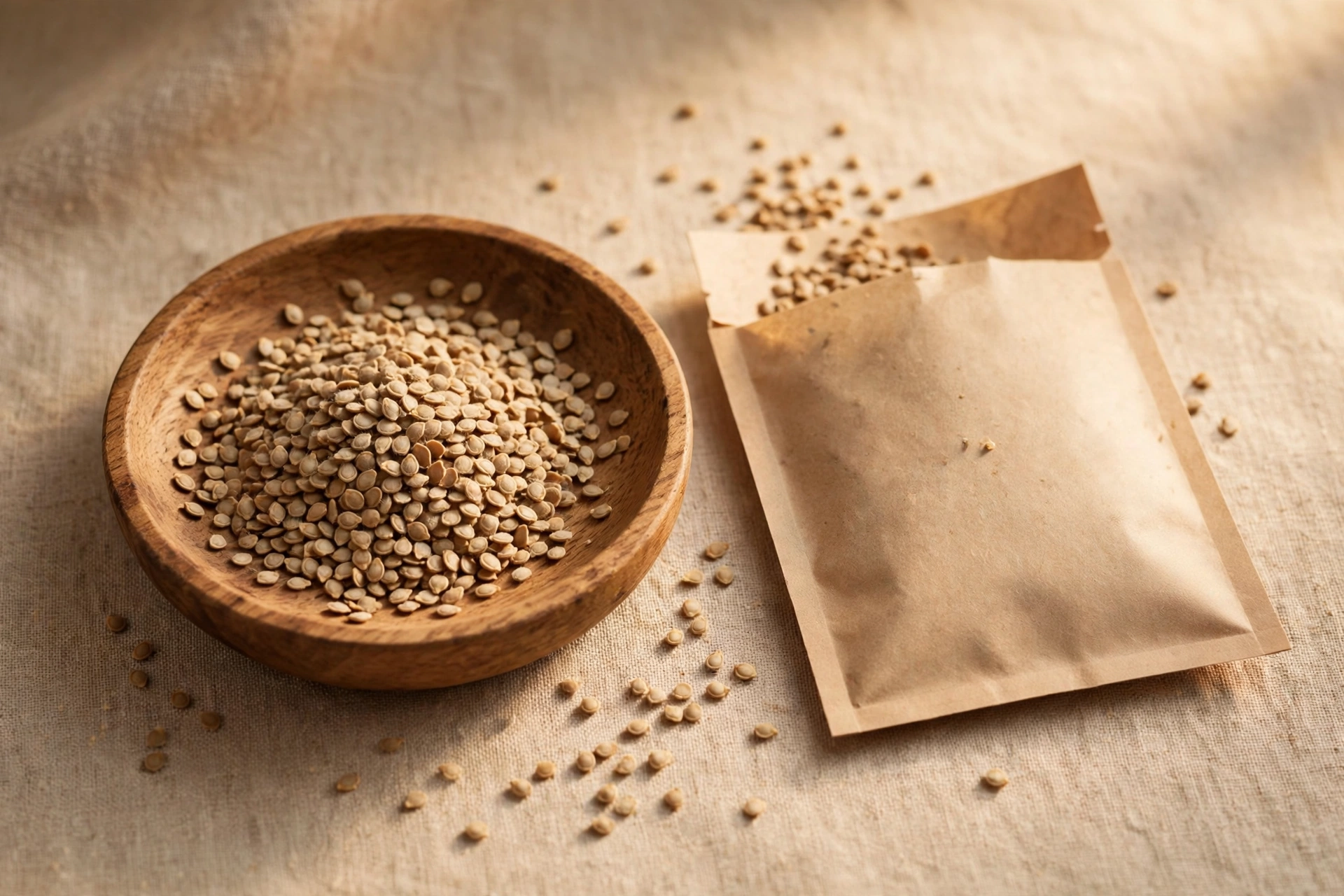
Tomato Seeds, Brandywine Sudduth’s Strain
Why we picked it: Brandywine — Sudduth’s strain especially — is the beefsteak that flavor-first gardeners measure everything else against. It needs a long season and genuinely sturdy staking, which is the honest price of admission. Open-pollinated, so save seed from your best fruits and the variety stays yours year after year.
Shop at Baker Creek Heirloom Seeds
Some links are affiliate links — we may earn a commission at no extra cost to you.
Gaia’s shelf pick
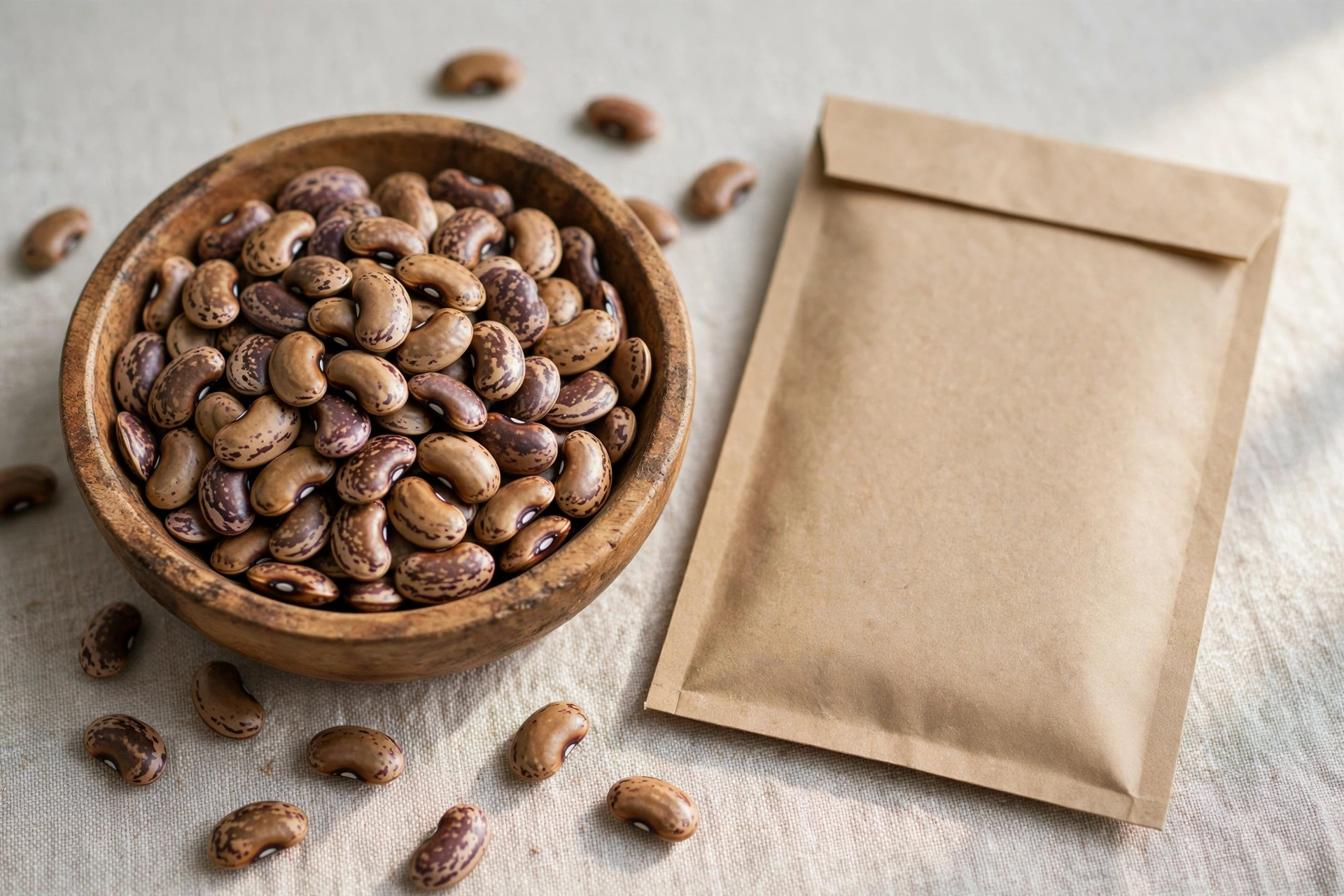
Bean Seeds, Old Homestead Bean (Kentucky Wonder Pole)
Why we picked it: Kentucky Wonder has been the standard pole bean for generations because it simply produces — pick regularly and the harvest window stretches for weeks. It’s also the ideal seed-saving teacher: let the last pods dry on the vine, shell them out, and store; that’s next year’s planting, free. If you want one bean that feeds you fresh and teaches you seed saving, this is it.
Shop at Baker Creek Heirloom Seeds
Some links are affiliate links — we may earn a commission at no extra cost to you.
Gaia’s shelf pick
Sweet Pepper Seeds, California Wonder
Why we picked it: California Wonder is the standard thick-walled bell — the stuffing pepper, the salad pepper, the one that actually gets thick enough to matter. It needs real warmth to germinate well, which is exactly where a heat mat earns its keep. Give it heat early and patience later, and it pays back all summer.
Shop at Baker Creek Heirloom Seeds
Some links are affiliate links — we may earn a commission at no extra cost to you.
Gaia’s shelf pick
Cherokee Purple Tomato (Organic)
Why we picked it: Cherokee Purple is the dusky slicer with real seed-saving heritage — Seed Savers Exchange introduced it to catalogs from Tennessee heirloom stock. The flavor is the smoky-sweet kind that makes grocery tomatoes taste like water. Open-pollinated and true to type, so your saved seed grows the same tomato back.
Some links are affiliate links — we may earn a commission at no extra cost to you.
Gaia’s shelf pick
Scarlet Nantes Main Season Carrot
Why we picked it: Scarlet Nantes is the answer for heavier soils — sweet and blunt-rooted where long Imperator types would fork and sulk. Sow shallow, keep the bed evenly moist until germination, and thin ruthlessly; crowded carrots stay stubby. If your soil has clay in it, this is the carrot bred for your conditions.
Some links are affiliate links — we may earn a commission at no extra cost to you.